Brickwork we do
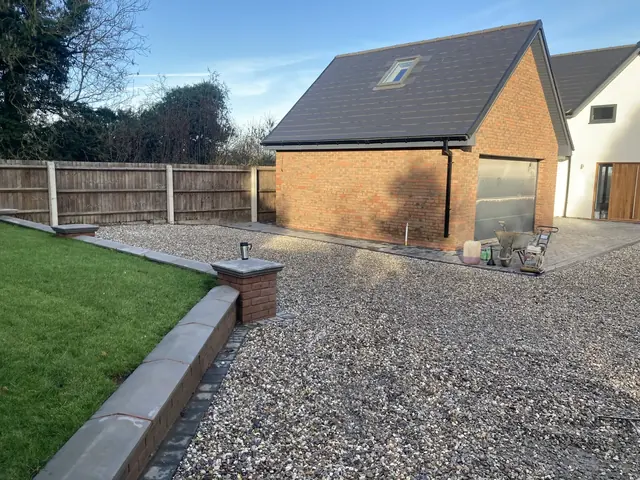
- Garden and boundary walls. Low walls along a front garden or driveway, and taller walls between gardens.
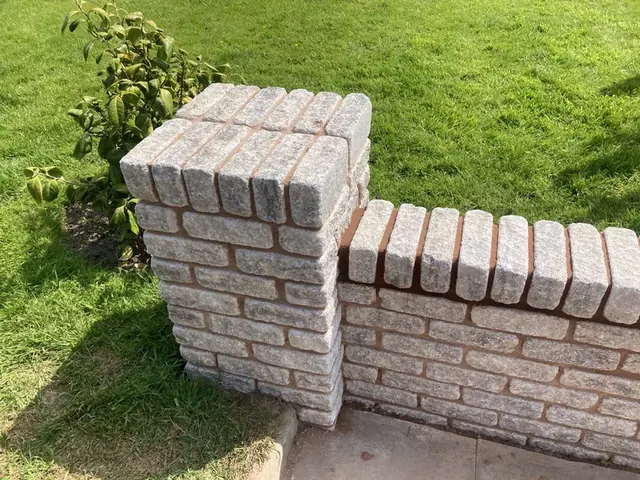
- Piers and pillars. For gates and entrances, and to frame fence panels.
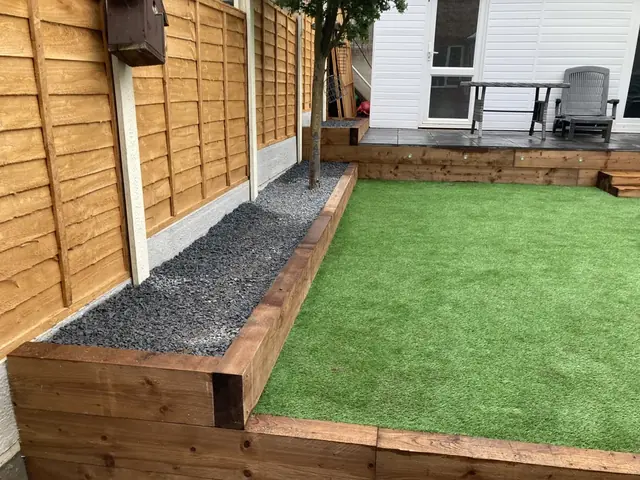
- Raised planters and beds. Built to match the house, or in a contrasting brick.
- Retaining walls. Where a garden changes level and the soil needs holding back.
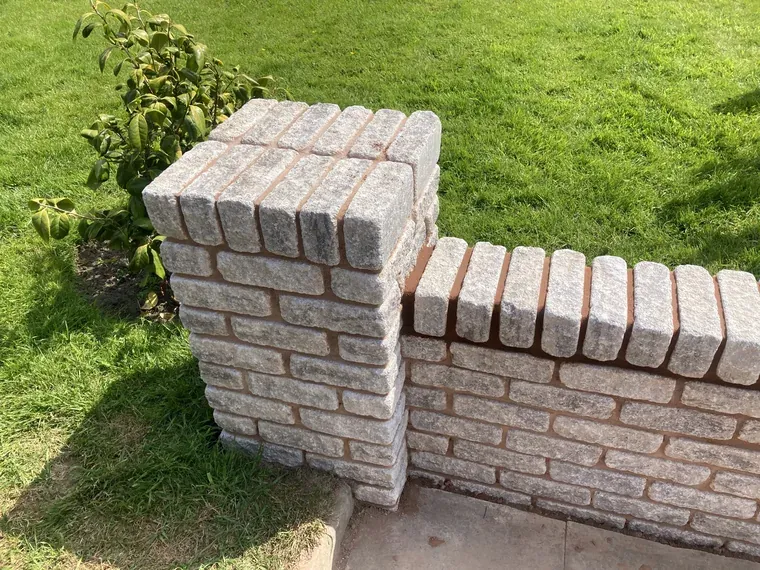
- Copings. Brick-on-edge, bullnose or stone copings to finish a wall and keep rain out of it.
- Blockwork. Block walls for outbuildings and commercial units, as well as domestic jobs.
- Repairs. Rebuilding damaged sections, replacing blown bricks and repointing tired mortar joints.
Footings first
A garden wall needs a concrete footing underneath, dug down to firm ground and wide enough to spread the load. Skip that, or build straight off an old patio, and the wall will crack as the ground moves with the seasons. Taller walls and anything holding back soil need deeper footings and sometimes reinforcement, and we'll tell you up front what yours needs.
Matching your existing brickwork
A new wall or pier should look like it was always there. We'll find the closest match we can for your bricks by colour, texture and size, and match the mortar colour and the style of joint too. Where reclaimed bricks are the best match, we'll suggest them.
The pointing makes more difference than most people realise. A neat, consistent joint is what makes brickwork look sharp. A messy one makes even good bricks look cheap.
Retaining walls
If your garden is on a slope, a retaining wall can turn it into level, usable space. These walls have to hold back the weight of wet soil, so they're built thicker, on deeper footings, with drainage behind so water can't build up. Taller retaining walls, or anything close to a building or a boundary, may need an engineer's input, and we'll say so if it does.
Do garden walls need planning permission?
Generally not, as long as the wall is no more than 1 metre high next to a road used by vehicles (or the footpath beside one) and no more than 2 metres elsewhere. The same exceptions as fences apply: listed buildings, conservation areas and estates with planning conditions can have tighter rules.
What affects the price
- The length and height of the wall, and whether it's single or double thickness
- The bricks you choose, and whether a match needs tracking down
- Footings, and how much digging out is involved
- Copings, piers and any decorative detail
- Taking down an old wall or clearing the area first
More bricklaying work
Bricklaying: your questions
Can you match the bricks on my house?
We'll get as close as we can. Some bricks are still made; others need a near match or reclaimed bricks. We'll show you the options before we order.
What is repointing, and do I need it?
Repointing means raking out old, crumbling mortar from between the bricks and replacing it with fresh mortar. If the joints are soft, sandy or sunken back, water can get into the wall, so it's worth doing before the bricks themselves start to suffer.
Can you build a wall on my existing patio?
We wouldn't. A patio isn't a foundation, and a wall built on one will crack. We'd cut out a strip and put a proper footing in.
How long does new brickwork need to settle?
Mortar firms up within a day but keeps gaining strength for weeks. Copings and anything that takes weight are best left a few days before they're loaded.
