Fencing we put up
Close-board
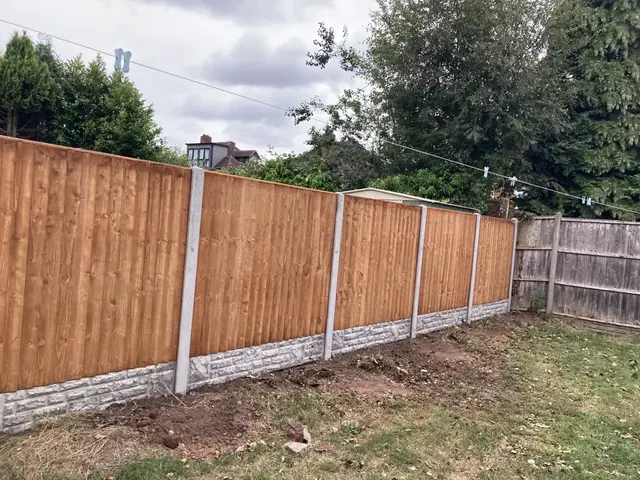
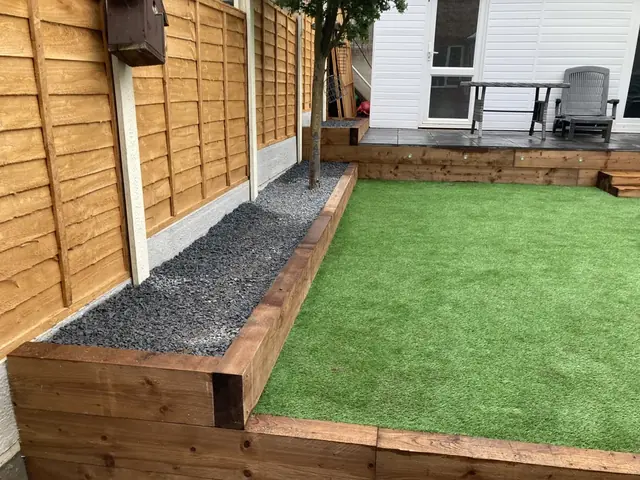
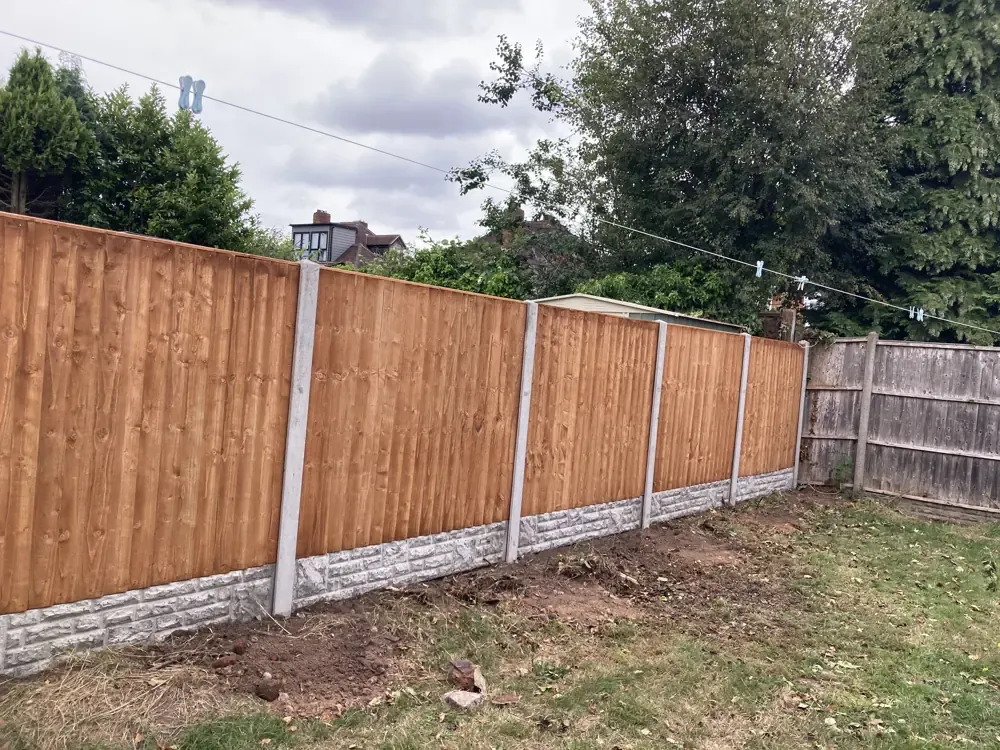
Vertical feather-edge boards fixed to rails between the posts. The strongest and most private option, and good for long boundaries and sloping gardens because it's built in place.
Lap and overlap panels
Ready-made panels slotted between concrete posts. Quick to put up and good value, and a damaged panel can be swapped without touching the posts.
Decorative and trellis
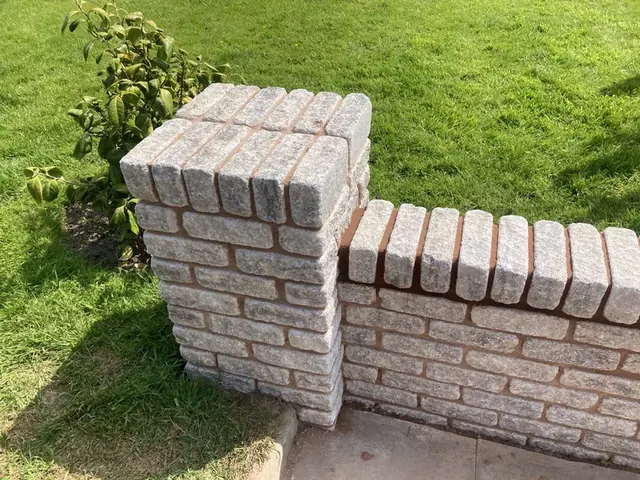
Curved-top, lattice and trellis panels for front gardens, between brick piers or on top of a lower fence. Softens a boundary and gives climbers something to grow up.
Low front fences
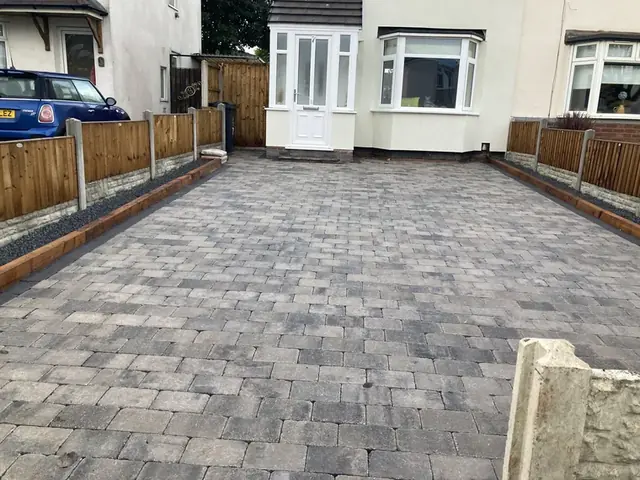
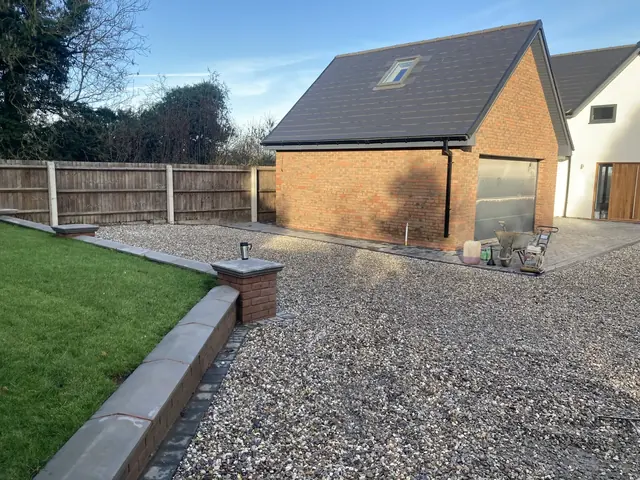
Shorter close-board fences for front gardens and driveways, where the height limit next to the road is lower.
Concrete posts or timber?
Both have their place. Concrete posts don't rot, so a fence on concrete posts with concrete gravel boards will usually outlast several sets of timber panels. Panels slot straight into the posts, so replacing a damaged one later is quick.
Timber posts look softer and suit close-board and some decorative styles. Pressure-treated posts set in concrete last well, but the base of a timber post is always the part that goes first. Either way, we keep the timber off the ground with a gravel board so it isn't sitting in wet soil.
How high can a fence be?
In most cases you can put up a fence without planning permission as long as it's no more than 2 metres high, or 1 metre where it's next to a road used by vehicles or the footpath beside one. Height is measured from the ground on your side. Listed buildings, conservation areas and some newer estates with planning conditions can be stricter, so it's worth checking if any of those apply to you.
Whose fence is it? If you're replacing a boundary fence, it helps to know who owns it. Your title deeds may show it with a "T" mark on one side. If it's shared, or you're not sure, have a word with your neighbour before work starts. It's much easier than sorting it out afterwards.
Storm damage and replacements
Leaning fences and panels blown out after a bad night usually come down to rotten timber posts, or posts that were never set deep enough. We'll take a look, tell you whether it's a repair or a replacement, and if the posts are the problem, we'll swap them for concrete so it doesn't happen again.
What affects the price
- The length of the run and the height
- Close-board, panels or decorative fencing
- Concrete or timber posts, and whether gravel boards are needed
- Taking down and disposing of the old fence
- Slopes, steps in level and obstacles like tree roots or old concrete
- Access to the back garden
More fencing work
What customers said
I needed a new fence fitted in my front garden, and Craig and Dylan did a fantastic job. They arrived early on Saturday morning and had everything completed within a day. The service was excellent, the finish was top quality, and the pricing was very competitive. I’d definitely recommend them!
I needed a new fence fitted to secure our boundary. Craig was quick to come out and provide a quote, and he gave us great advice on the best options for our needs. We’re really happy with the finished result and the overall service. Would highly recommend!
Fencing: your questions
Can the new fence go where the old one was?
Usually, yes. Old post holes and concrete sometimes need breaking out, or we'll offset the new posts slightly so they go into solid ground.
Which way round does a fence go?
Convention says the good side faces your neighbour, but there's no law on it. Close-board looks much the same from both sides, which is one reason people like it.
Do I need to treat a new fence?
New panels and boards come treated by the manufacturer. Giving them a coat of a good fence treatment once they've weathered a little will help them last longer.
How long does it take?
A typical garden boundary is often done in a day or two. Longer runs, close-board fencing or awkward ground take longer, and we'll tell you up front.
